 By Abdul Aziz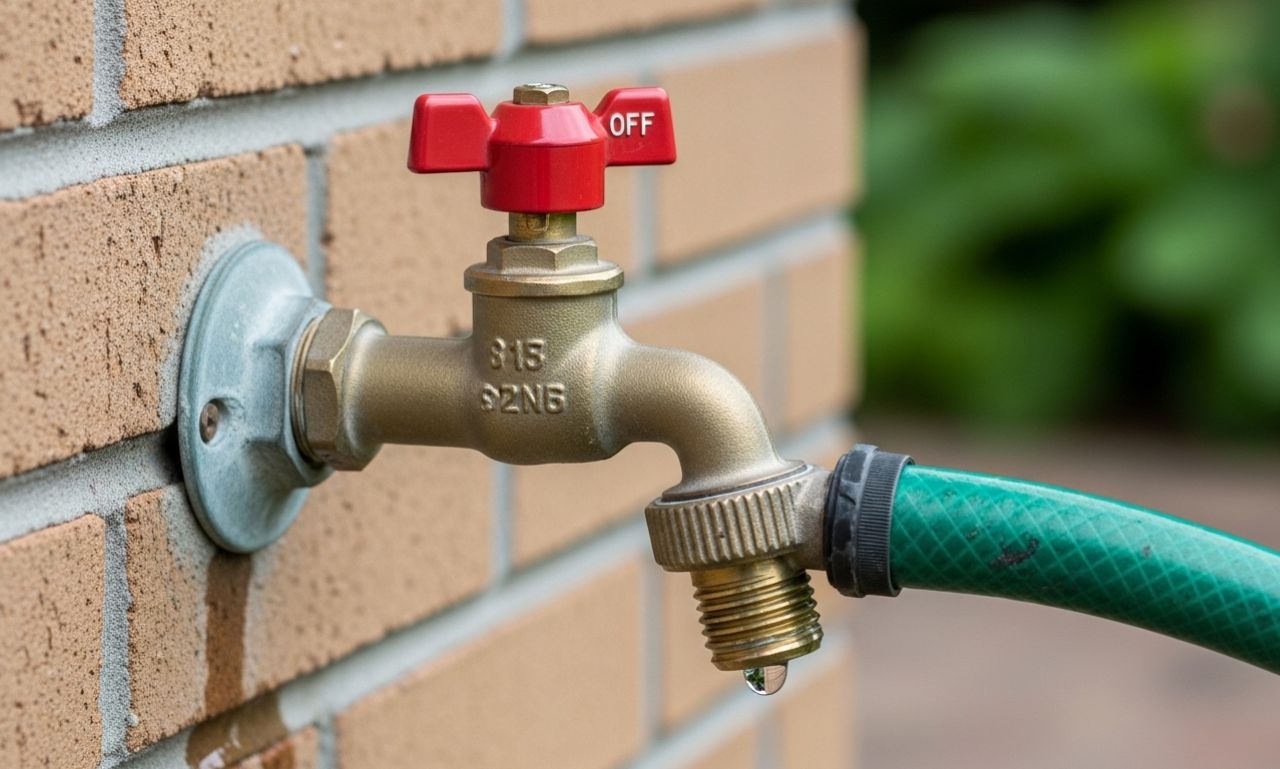
A hose bib is a simple yet essential plumbing fixture found on the exterior of most homes and buildings. It serves as an outdoor faucet that allows homeowners to connect a garden hose for various tasks such as watering plants, washing cars, and cleaning outdoor areas. Despite its straightforward design, a hose bib plays a crucial role in everyday household maintenance.
Understanding how a hose bib works, its different types, installation methods, and maintenance requirements can help you make better decisions and avoid costly repairs. In this guide, we will explore everything you need to know about a hose bib in detail.
What is a Hose Bib?
A h ose bib (also known as an outdoor faucet, spigot, or sillcock) is a valve that controls water flow from your plumbing system to the outside of your property. It is typically mounted on an exterior wall and connects directly to your home’s water supply.
Key Features of a Ho se Bib
- Threaded nozzle for attaching hoses
- Manual valve for controlling water flow
- Durable metal construction (usually brass or stainless steel)
- Designed for outdoor use and weather exposure
Types of Ho se Bib
There are several types of h ose bib options available, each designed for specific needs and climates.
1. Standard Ho se Bib
A standard h ose bib is the most common type. It has a simple valve mechanism and is suitable for moderate climates where freezing temperatures are not a major concern.
2. Frost-Free Hos e Bib
A frost-free ho se bib is specially designed for colder regions. It prevents water from freezing inside the pipe by placing the valve deeper inside the wall.
Benefits of Frost-Free H ose Bib
- Reduces risk of pipe bursts
- Ideal for winter climates
- Requires less seasonal maintenance
3. Anti-Siphon Ho se Bib
An anti-siphon h ose bib includes a backflow prevention device that stops contaminated water from flowing back into your clean water supply.
Why Choose Anti-Siphon Ho se Bib?
- Ensures water safety
- Meets plumbing codes in many areas
- Protects against contamination
4. Ball Valve Ho se Bib
This type uses a ball valve instead of a traditional compression valve, offering better durability and easier operation.
Common Uses of H ose Bib
A hos e bib is incredibly versatile and supports a wide range of outdoor tasks.
Gardening and Lawn Care
You can connect a ho se bib to irrigation systems, sprinklers, or drip lines to maintain your garden efficiently.
Cleaning and Washing
From washing your car to cleaning patios, a ho se bib provides easy access to water outdoors.
Filling Pools and Containers
A ho se bib makes it simple to fill swimming pools, buckets, or storage tanks.
How to Install a Ho se Bib
Installing a hos e bib can be a straightforward task if you have basic plumbing knowledge.
Tools Required
- Pipe wrench
- Teflon tape
- Drill (if mounting is required)
- Pipe fittings
Installation Steps
Step 1: Turn Off Water Supply
Before installing a hose bib, shut off the main water supply to avoid leaks.
Step 2: Choose the Location
Select a convenient exterior wall near your existing plumbing line.
Step 3: Drill a Hole
Create an opening through the wall if one doesn’t already exist.
Step 4: Connect the Pipe
Attach the hose bib to the water supply pipe using proper fittings.
Step 5: Seal and Secure
Apply Teflon tape to prevent leaks and secure the ho se bib tightly.
Step 6: Test the Ho se Bib
Turn the water supply back on and check for leaks.
Maintenance Tips for Ho se Bib
Proper maintenance of your hos e bib ensures long-lasting performance and prevents damage.
Regular Inspection
Check your ho se bib for leaks, corrosion, or cracks regularly.
Winter Preparation
In cold climates, disconnect hoses and drain the hose bib to prevent freezing.
Replace Washers
If your hose bib starts dripping, replacing the washer can often solve the issue.
Clean the Threads
Keep the threaded end clean to ensure a tight seal when attaching hoses.
Common Problems with Like any plumbing fixture, a hose bib can develop issues over time.
Leaking A leaking hose bib is often caused by worn-out washers or loose connections.
Low Water Pressure
This can result from blockages or partially closed valves.
Frozen Hose B ib
In colder regions, water inside the hos e bib can freeze, leading to cracks or bursts.
Corrosion
Exposure to outdoor elements can cause rust and deterioration over time.
How to Repair a H ose Bib
Repairing a h ose bib is usually simple and cost-effective.
Fixing a Leak
- Turn off water supply
- Remove the handle
- Replace the washer or O-ring
- Reassemble and test
Replacing the H ose Bib
If the damage is severe, replacing the entire ho se bib may be necessary.
Choosing the Right Ho se Bib
Selecting the right h ose bib depends on your needs and environment.
Consider Climate
Choose a frost-free ho se bib if you live in a cold area.
Check Material
Brass h ose bib options are more durable and resistant to corrosion.
Look for Safety Features
An anti-siphon hos e bib is ideal for maintaining water quality.
Ease of Use
Opt for designs with ergonomic handles for convenient operation.
Benefits of Installing a Ho se Bib
Installing a hos e bib offers numerous advantages for homeowners.
Convenience
Provides easy access to water outdoors.
Versatility
Supports multiple tasks like gardening, cleaning, and maintenance.
Cost-Effective
Reduces the need for indoor water usage extensions.
Increased Property Value
A well-installed h ose bib adds functionality to your home.
Conclusion
A hose bib may seem like a minor component of your home, but it plays a significant role in outdoor water access and convenience. From understanding different types of hose bib to installation and maintenance, having the right knowledge ensures you get the most out of this essential fixture.
Whether you are installing a new hose bib or maintaining an existing one, proper care and the right choice can saveyou time, money, and effort in the long run.