 By Abdul Aziz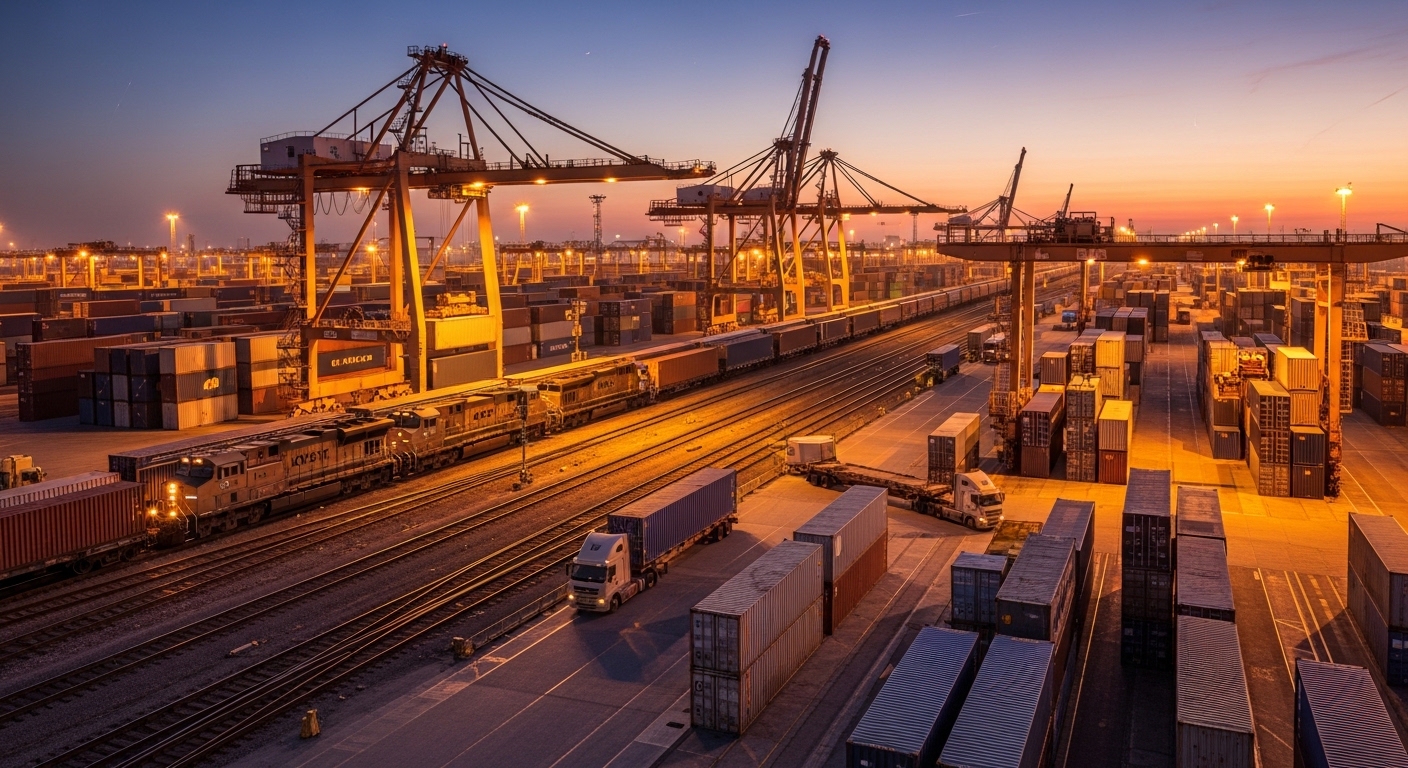
A private freight terminal plays a crucial role in modern logistics by providing dedicated infrastructure for the handling, storage, and transportation of goods. Unlike public terminals, a private freight terminal is owned and operated by a specific company or organization, allowing greater control over operations, security, and efficiency. As global trade continues to expand, businesses increasingly rely on private freight terminal solutions to streamline their supply chains and reduce delays.
In today’s competitive market, companies must move goods quickly and securely. A private freight terminal offers customized services, reduced congestion, and improved coordination compared to shared facilities. This article explores the concept, features, benefits, and future trends of private freight terminal operations in detail.
What Is a Private Freight Terminal?
A private freight term inal is a logistics facility owned or leased by a company for exclusive use in handling cargo. These terminals can be located near ports, railways, airports, or highways, depending on the type of transportation involved.
Key Characteristics of Private Freight Ter minal
- Exclusive access for a single organization
- Customized infrastructure for specific cargo types
- Enhanced security and monitoring systems
- Efficient cargo handling with minimal delays
- Integration with supply chain management systems
Private frei ght terminals are commonly used by large corporations, shipping companies, and manufacturing industries that require consistent and high-volume cargo movement.
Types of Private Fr eight Terminal
Different industries require different types of priv ate freight terminal setups. Below are the most common types:
1. Rail-Based Private Freight Te rminal
A rail-connected private freight term inal is designed for transporting goods via trains.
2. Port-Based Private Freight Te rminal
Located near seaports, this type of private freight termi nal handles imports and exports. It includes container yards, cranes, and storage warehouses.
3. Air Cargo Private Freight Term inal
These terminals are situated near airports and are used for time-sensitive goods such as electronics, pharmaceuticals, and perishable items.
4. Road Transport Private Freight Term inal
A road-based private freight termi nal supports trucking operations, offering loading docks, parking areas, and distribution centers.
Benefits of Using a Private Fre ight Terminal
A private freight term inal offers several advantages over public logistics facilities, making it an attractive option for large-scale operations.
Improved Efficiency in Pri vate Freight Terminal Operations
With dedicated resources, a private fre ight terminal eliminates delays caused by shared usage. Businesses can schedule shipments more accurately and maintain consistent delivery timelines.
Enhanced Security at Private Fre ight Terminal
Security is a major concern in logistics. A pri vate freight terminal allows companies to implement strict access controls, surveillance systems, and cargo tracking technologies.
Cost Optimization with Pri vate Freight Terminal
Customization in Private Fre ight Terminal Design
Each private freight ter minal can be tailored to meet specific business needs, including specialized storage, temperature control, and automated handling systems.
Infrastructure of a Private Freight Termi nal
A well-designed private freight term inal includes multiple components to ensure smooth operations.
Storage Facilities in Private Freight Ter minal
Warehouses, cold storage units, and open yards are essential for storing different types of goods. Proper storage reduces damage and ensures efficient inventory management.
Loading and Unloading Systems
Modern private freight term inal facilities use cranes, forklifts, and conveyor belts to handle cargo efficiently. Automation is increasingly being adopted to reduce labor costs.
Transportation Connectivity
Connectivity is a key factor in the success of a private fre ight terminal. It should be well-linked to highways, railways, ports, or airports.
Technology Integration
Advanced software systems help manage inventory, track shipments, and coordinate logistics operations within the private freight ter minal.
Role of Pri vate Freight Terminal in Supply Chain
The private freight terminal acts as a central hub in the supply chain, connecting manufacturers, distributors, and retailers.
Streamlining Logistics with Private Freight Te rminal
By centralizing operations, a private freight ter minal reduces transit time and improves coordination between different stages of the supply chain.
Reducing Bottlenecks
Public terminals often face congestion. A private freight terminal eliminates this issue by offering dedicated infrastructure and resources.
Supporting Just-in-Time Delivery
Many industries rely on just-in-time delivery systems. A pri vate freight terminal ensures timely movement of goods, reducing inventory holding costs.
Challenges of Private Freight Terminal
While a private freight te rminal offers many benefits, it also comes with certain challenges.
High Initial Investment
Setting up a priv ate freight ter minal requires significant capital for land, infrastructure, and equipment.
Maintenance Costs
Ongoing maintenance of facilities, equipment, and technology can be expensive.
Regulatory Compliance
A pri vate freight term inal must comply with local and international regulations, including safety, environmental, and customs requirements.
Operational Complexity
Managing a priv ate freight term inal requires skilled personnel and efficient systems to handle complex logistics operations.
Future Trends in Private Freight Terminal
The logistics industry is evolving rapidly, and the pr ivate freight term inal is adapting to new technologies and market demands.
Automation in Private Freight Te rminal
Automation is transforming pri vate freight ter minal operations by improving efficiency and reducing human error. Robotics and AI are increasingly being used for cargo handling and inventory management.
Sustainability Initiatives
Eco-friendly practices are becoming essential. Many pri vate freight terminal facilities are adopting renewable energy sources, reducing emissions, and improving waste management.
Digital Transformation
Expansion of Multimodal Transport
Future private frei ght terminal facilities will focus on integrating multiple modes of transport, such as rail, road, and sea, to improve connectivity and reduce transit times.
How to Choose the Right Private Freight Terminal
Selecting the right private freight terminal is critical for business success.
Location of Private Freight Terminal
Choose a location that offers easy access to major transportation networks.
Capacity and Infrastructure
Ensure the private freight terminal has adequate capacity and modern infrastructure to handle your cargo needs.
Technology and Automation
Look for a private freight terminal equipped with advanced technology for efficient operations.
Cost Considerations
Evaluate both initial investment and long-term operational costs before choosing a private freight terminal.
Conclusion
A private freight terminal is a powerful asset for businesses involved in large-scale logistics and transportation. It offers greater control, improved efficiency, and enhanced security compared to public facilities. While the initial investment may be high, the long-term benefits make it a worthwhile option for companies aiming to optimize their supply chains.
As technology continues to evolve, the role of the private freight terminal will become even more significant in global trade. Businesses that invest in modern, efficient terminals will gain a competitive edge in the logistics industry.