 By Abdul Aziz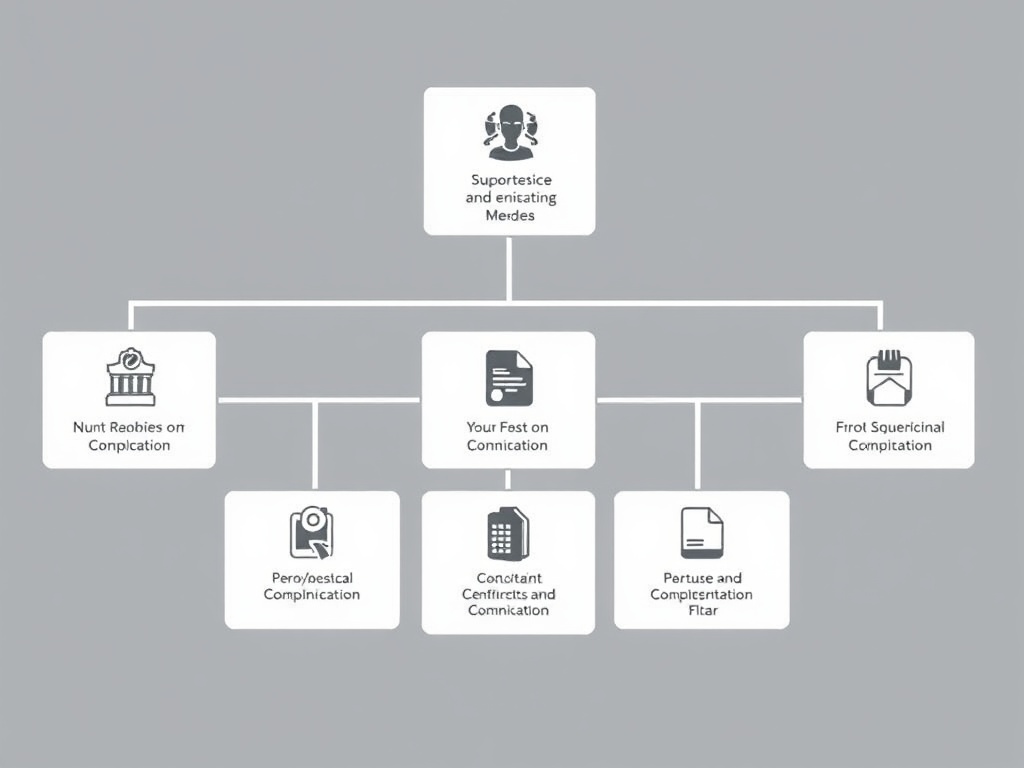
The Central Staffing Scheme plays a crucial role in shaping administrative efficiency within government systems. It is a structured framework designed to appoint qualified officers to key positions in central government departments and organizations. By ensuring that experienced and capable civil servants are placed in strategic roles, the Central Staffing Scheme helps maintain governance quality, policy implementation, and administrative coordination.
In many countries, especially those with large bureaucratic systems, this scheme ensures transparency, fairness, and merit-based selection. The Central Staffing Scheme is particularly significant because it bridges the gap between state-level and central-level administration, allowing for the exchange of expertise and experience.
What is the Central Staffing Scheme?
The Central Staffing Scheme is a formal mechanism used by the central government to recruit and appoint officers—primarily from civil services—to various ministries, departments, and organizations. These officers are typically selected from different cadres and are deputed for a fixed tenure.
Key Objectives of Ce ntral Staffing Scheme
- Ensure merit-based selection for central positions
- Promote administrative efficiency
- Facilitate coordination between different levels of government
- Provide career development opportunities for officers
The scheme ensures that only competent and experienced officers are entrusted with responsibilities that influence national policies and administration.
Structure of the Central Staffing Scheme
The Central Staf fing Scheme operates through a well-defined structure that includes multiple stakeholders and governing bodies.
1. Cadre Controlling Authorities
These authorities manage the pool of eligible officers and recommend candidates for central deputation. They ensure that officers meet eligibility criteria before nomination.
2. Department of Personnel and Training (DoPT)
The DoPT plays a central role in managing the Ce ntral Staffing Scheme. It coordinates the selection process, evaluates candidates, and issues final appointment orders.
3. Selection Committees
Selection committees assess candidates based on experience, performance, and suitability for specific roles. Their recommendations are critical to maintaining transparency and fairness.
Eligibility Criteria in Central Staffing Scheme
To be considered under the Cent ral Staff ing Scheme, officers must meet specific eligibility requirements.
Basic Requirements
- Must be a member of a recognized civil service
- Minimum years of service (usually 9–12 years for mid-level positions)
- Strong performance record
- Clearance from vigilance and disciplinary authorities
Additional Criteria
- Relevant experience for the desired post
- Leadership and decision-making skills
- Ability to work in diverse administrative environments
These criteria ensure that only capable officers are selected for central roles.
Selection Process in Central Staffing Scheme
The selection process under the Cen tral Staf fing Scheme is systematic and transparent.
Step 1: Vacancy Notification
Central ministries and departments notify vacancies to the concerned authorities.
Step 2: Nomination of Officers
Cadre controlling authorities nominate eligible officers based on predefined criteria.
Step 3: Screening and Shortlisting
The DoPT reviews nominations and shortlists candidates for further evaluation.
Step 4: Final Selection
Selection committees assess shortlisted candidates and recommend the most suitable ones.
Step 5: Appointment Order
Final appointments are made, and officers are deputed to their respective positions.
This multi-step process ensures fairness, accountability, and efficiency.Tenure and Deputation Under Central Staffing Scheme
The Central Sta ffing Sc heme typically involves deputation, where officers serve in central roles for a fixed period.
Duration of Tenure
- Usually ranges from 3 to 5 years
- Can be extended based on performance and requirement
Types of Positions
- Joint Secretary
- Director
- Deputy Secretary
These roles are critical in shaping policy decisions and implementing government initiatives.
Benefits of Central Staffing Scheme
The Central Sta ffing Sche me offers several advantages for both the government and the officers.
For the Government
- Access to experienced and skilled officers
- Improved policy implementation
- Enhanced coordination across departments
For Officers
- Exposure to national-level administration
- Career advancement opportunities
- Skill development and broader experience
This mutual benefit makes the scheme an essential part of administrative governance.
Challenges in Central Staffing Scheme
Despite its advantages, the Central Staf fing Sc heme faces certain challenges.
1. Limited Availability of Officers
Sometimes, states may be reluctant to release officers for central deputation, leading to shortages.
2. Bureaucratic Delays
Lengthy selection procedures can delay appointments.
3. Imbalance in Representation
Certain cadres may be overrepresented, while others may have limited participation.
4. Adaptation Issues
Officers may face challenges adapting to new roles and responsibilities at the central level.
Addressing these challenges is crucial for improving the effectiveness of the scheme.Reforms and Improvements in Central Staffing Scheme
To enhance the efficiency of the Cen tral St affing Scheme, several reforms have been introduced.
Digitalization of Processes
Online portals have been developed to streamline nominations and applications.
Transparency Measures
Clear guidelines and criteria have been established to ensure fairness.
Encouraging Participation
Efforts are being made to motivate states and officers to participate actively.
Performance-Based Evaluation
Greater emphasis is placed on performance metrics during selection.
These reforms aim to modernize the scheme and make it more efficient and inclusive.
Importance of Central Staffing Scheme in Governance
The Central Staffi ng S cheme is vital for maintaining administrative excellence.
Policy Implementation
Experienced officers play a key role in executing government policies effectively.
Inter-Governmental Coordination
The scheme facilitates collaboration between central and state governments.
Leadership Development
It helps in grooming future leaders by providing exposure to high-level administrative roles.
Without the Central Staffing Sc heme, achieving consistent and effective governance would be significantly more challenging.
Future Outlook of Central Staffing Scheme
The future of the Central Staffing Sche me looks promising, with ongoing efforts to enhance its effectiveness.
Focus Areas
- Increased use of technology
- Greater transparency and accountability
- Improved coordination between departments
- Expansion of talent pool
As governments continue to evolve, the Cent ral Staffing Sche me will remain a cornerstone of administrative management.
Conclusion
The Central Staff ing Sche me is a critical mechanism for ensuring efficient governance and administrative excellence. By facilitating the selection and deputation of skilled officers to central positions, it strengthens policy implementation and inter-departmental coordination. While challenges exist, ongoing reforms and improvements are making the scheme more transparent, efficient, and inclusive.
For civil servants, the Ce ntral Staf fing Scheme offers valuable opportunities for growth and exposure, while for governments, it ensures access to experienced professionals capable of handling complex administrative tasks. Ultimately, the scheme serves as a foundation for effective governance and national development.